Psychosocial & Physical Health Project
The Psychosocial and Physical Health Project was initiated in July 2023 and continued through March 2026. The project was implemented in three consecutive rounds, with annual extensions based on its success and the ongoing needs of the community.
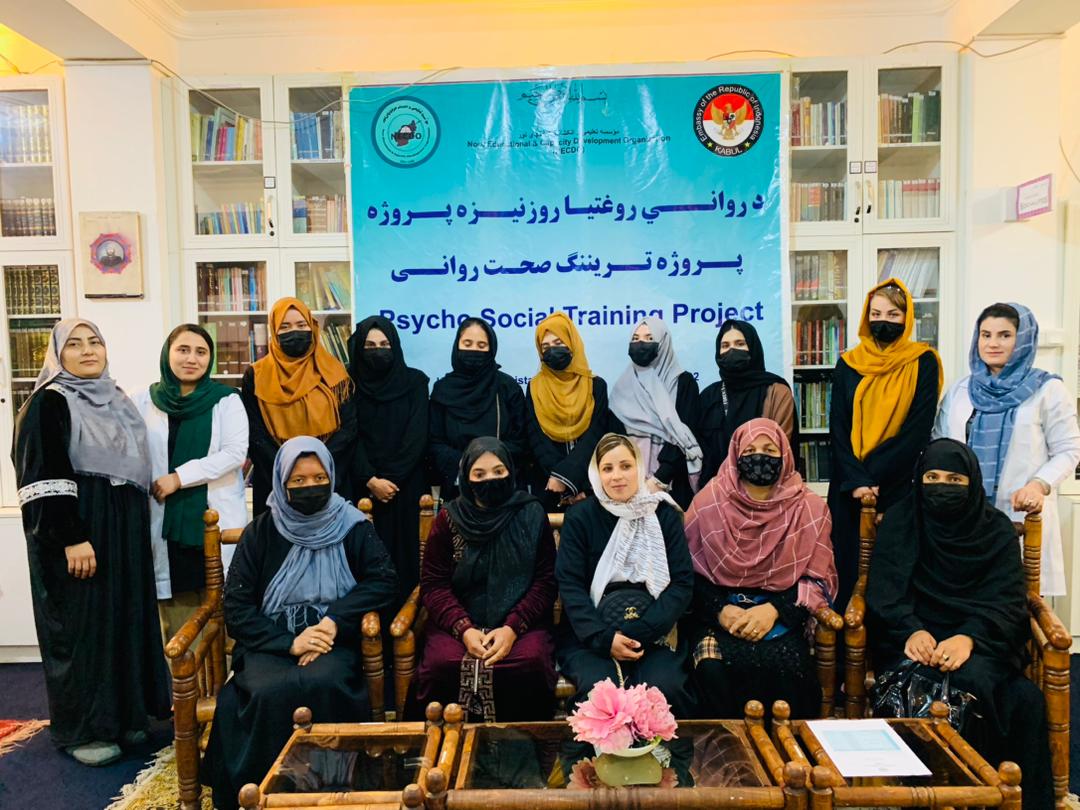
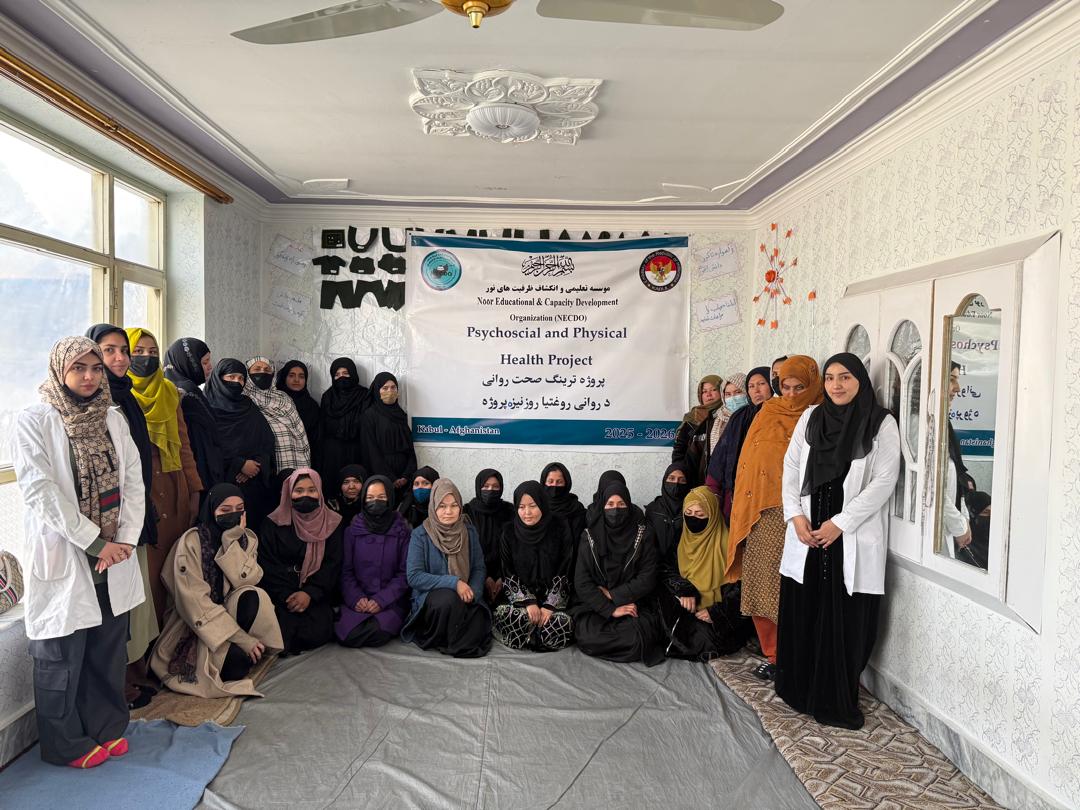
Each round targeted 400 women and adolescent girls, resulting in a total of 1,200 beneficiaries across all three rounds. Participants were organized into groups and engaged in structured two-day training sessions designed to promote both psychosocial and physical well-being.
The sessions covered a wide range of psychosocial topics, including depression, stress management, anxiety, sleep disorders, anger management, self-awareness, self-care, confidence building, willpower, decision-making, management of negative thoughts, and strengthening family and social relationships.
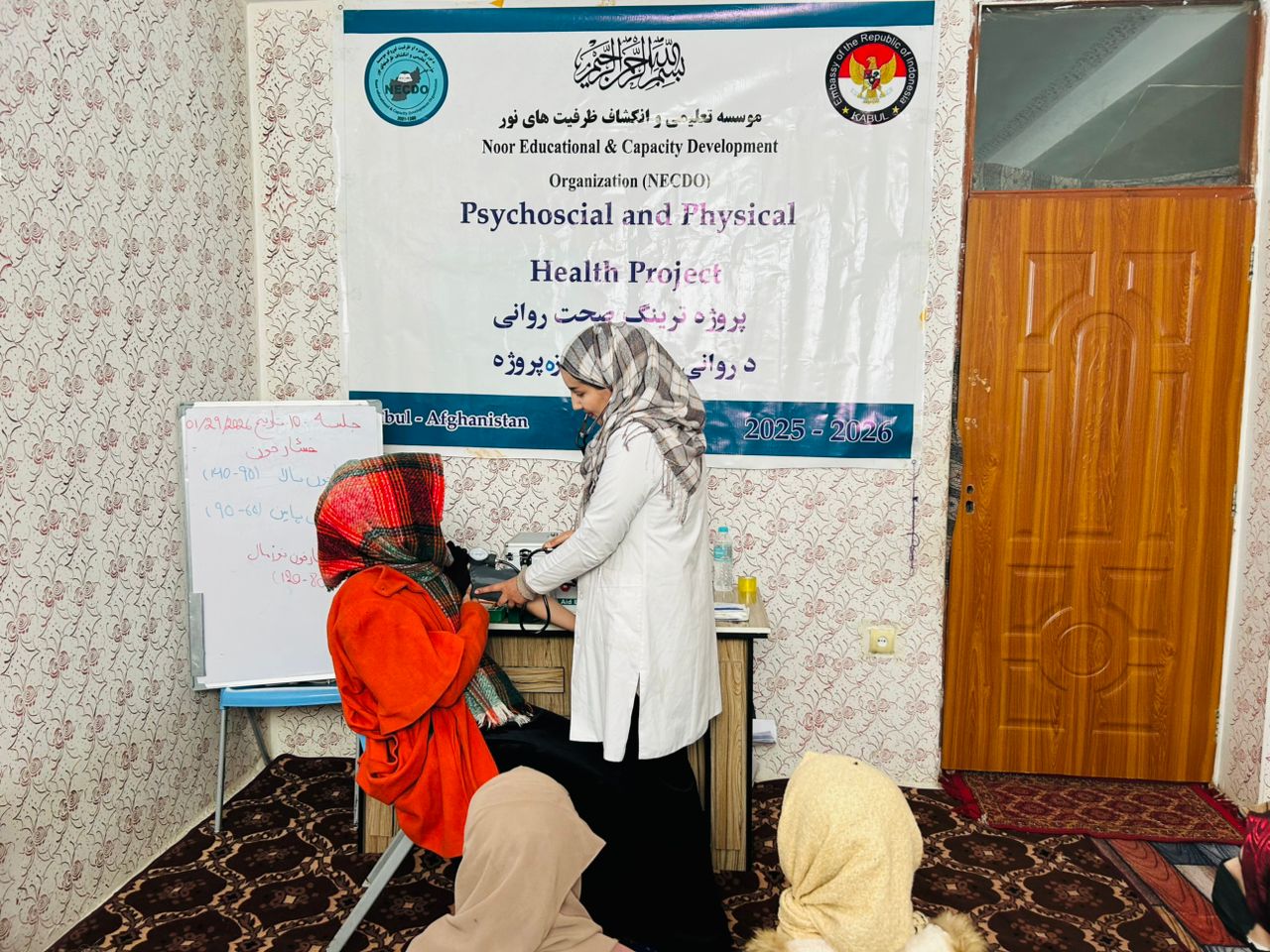
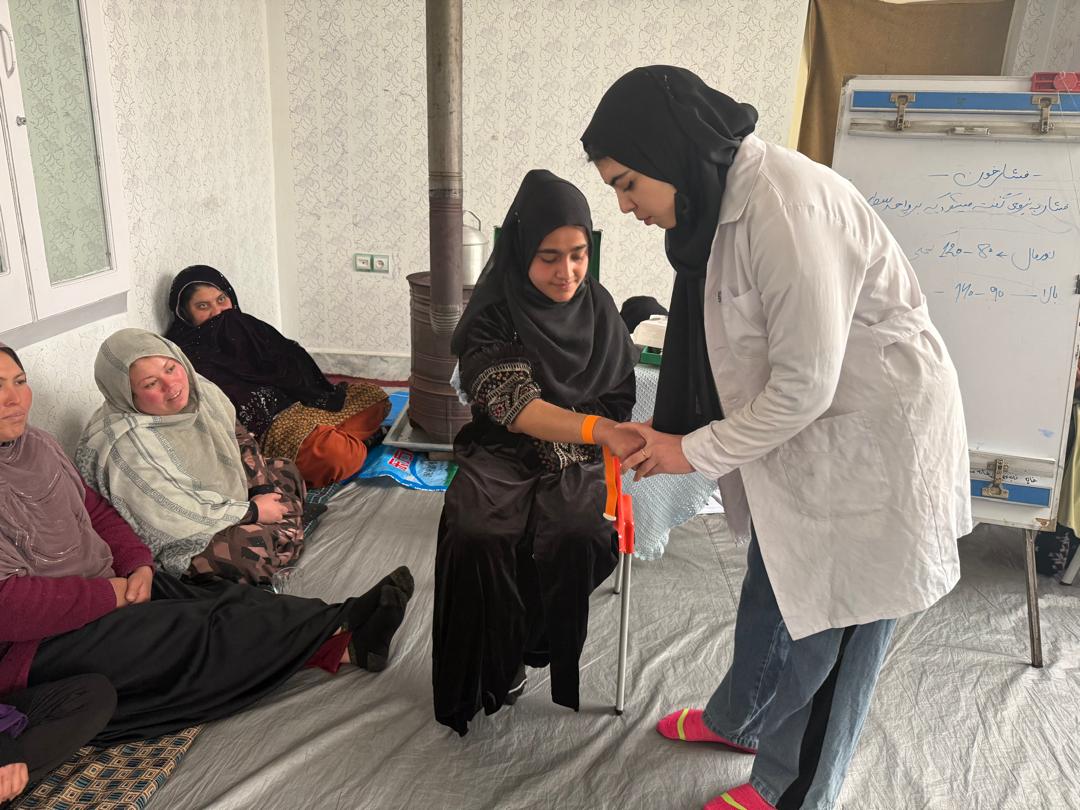
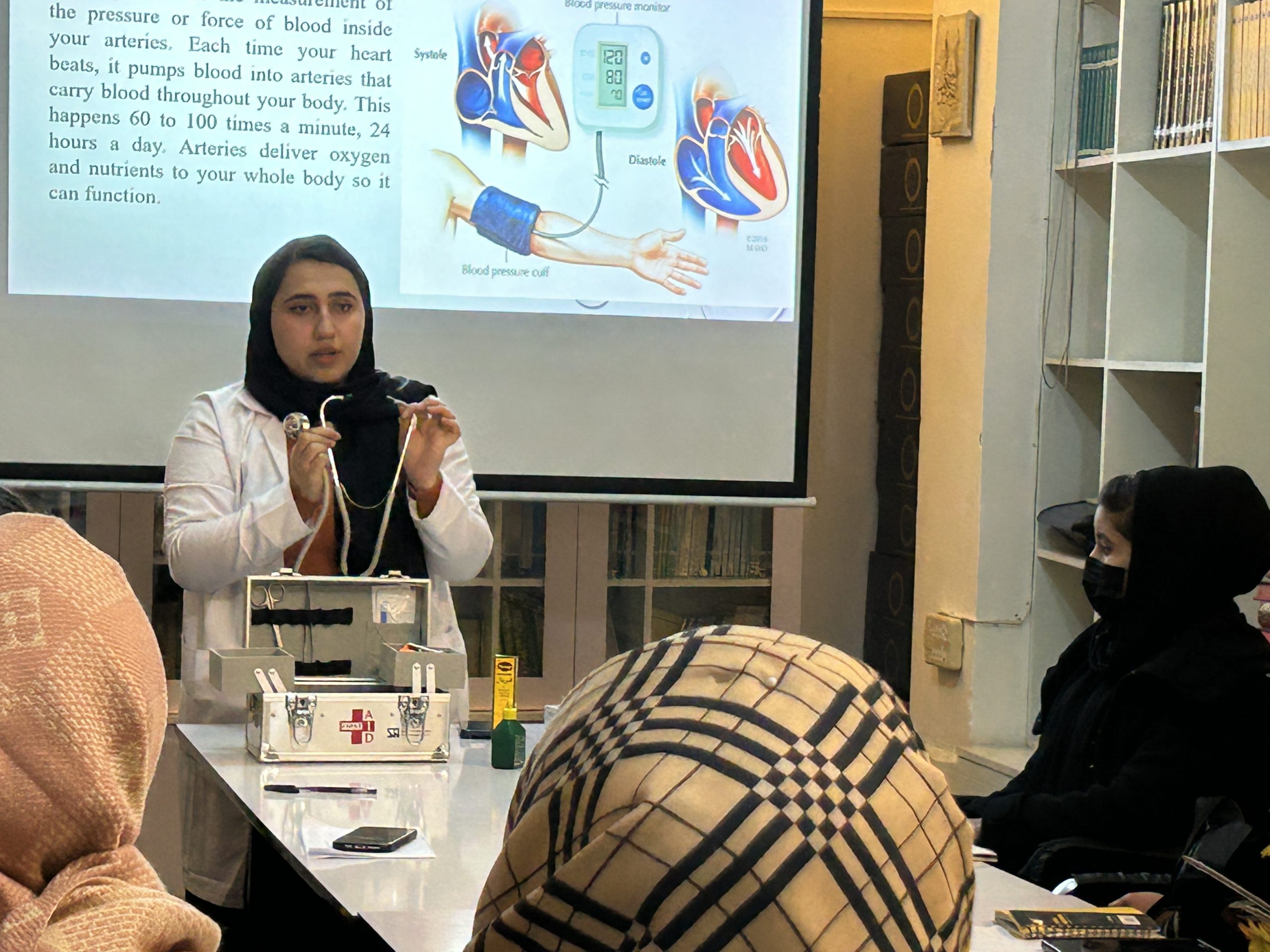
In addition to psychosocial support, the project incorporated a comprehensive physical health component. Each round included both theoretical and practical learning, with dedicated time allocated to key health topics such as menstrual hygiene management, proper use of sanitary materials, maternal health and nutrition, risks associated with premature birth, breastfeeding practices, dental care, first aid and emergency response (including burns, fractures, and traffic accidents), pulse measurement, understanding and monitoring blood pressure, hydration, vaccination, and general disease prevention.
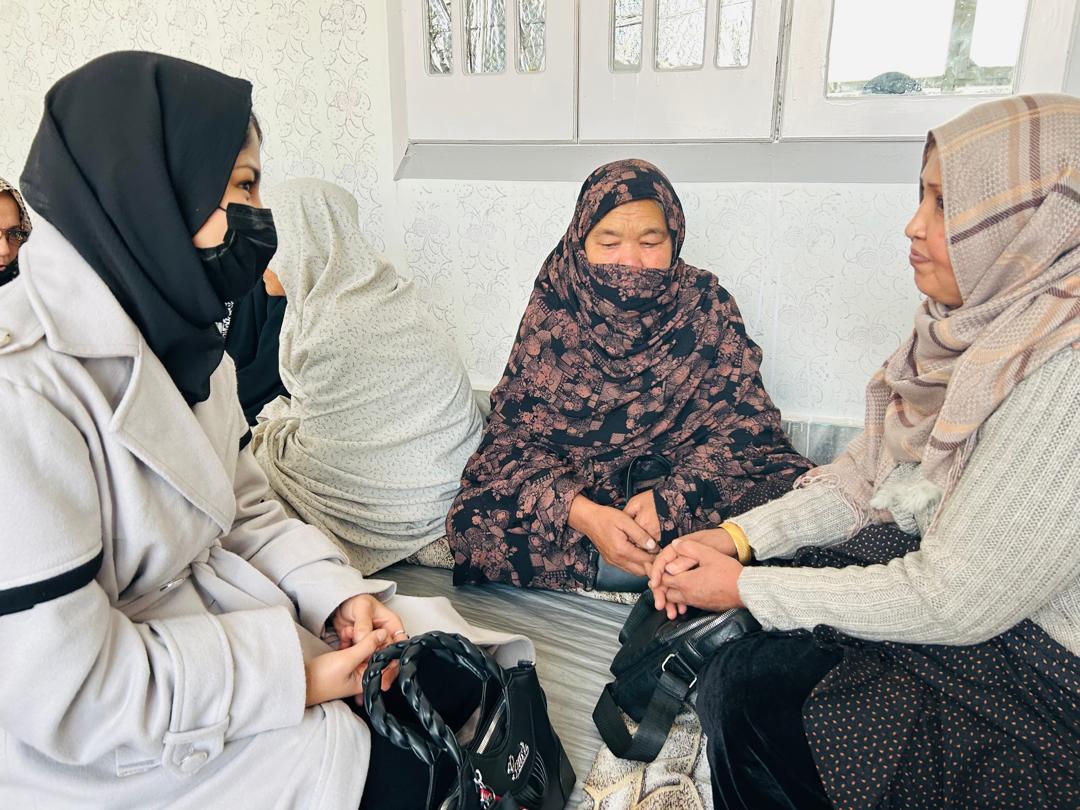
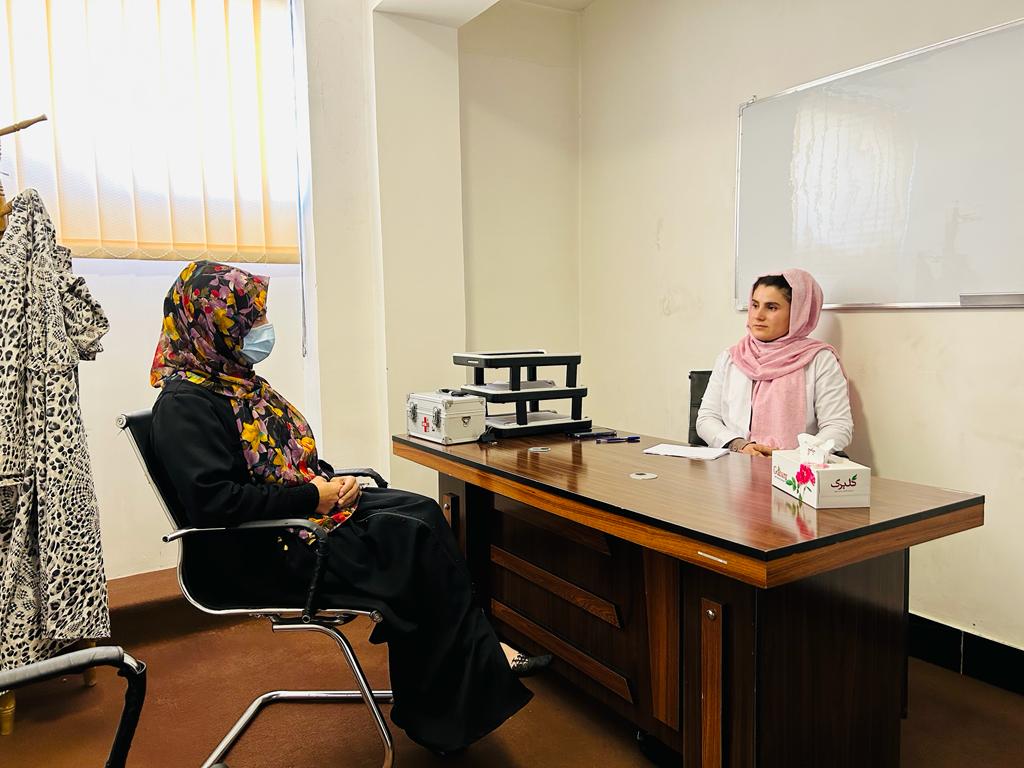
Throughout the sessions, facilitators actively engaged with participants, listened to their concerns, and provided tailored advice and guidance. This participatory approach ensured that the training remained relevant and responsive to the needs of the beneficiaries.
The project successfully delivered practical knowledge and skills, resulting in high levels of participant satisfaction and measurable improvements in overall well-being. By addressing both psychosocial and physical health, the initiative contributed to empowering women and adolescent girls to lead healthier, more informed, and more resilient lives.
Assessment:
Through our assessment of the participants, we identified significant psychosocial and physical health concerns among women and girls in our program. In terms of psychosocial health, our evaluations revealed that many participants experienced issues such as depression, generalized anxiety, and stress-related disorders. Additionally, they faced challenging family dynamics, including lack of compatibility in relationships, forced marriages, difficulties in parenting, and learning difficulties among students. To address these challenges, our psychological counseling sessions were instrumental in providing support and assistance to these women and girls. Regarding physical health, we conducted a thorough assessment before the program commenced. We distributed questionnaires containing important questions related to various physical health aspects, such as menstrual problems, dental diseases, systemic illnesses, hygiene practices during menstruation, access to proper nutrition and living facilities, vaccinations for children and adults, and knowledge about jaundice and injection methods. By collecting and analyzing the responses, we gained insight into their specific health concerns. We took note of their problems from the questionnaires and subsequently offered tailored solutions for each participant’s specific issues. It is unfortunate that our country faces fragmentation and limited access to sanitary resources and food, resulting in various challenges throughout its lifetime. Nonetheless, we endeavored to provide valuable advice and guidance to address their problems to the best of our abilities.
Psychosocial Health Impact:
a) We were able to provide psychosocial wellness counseling to 1200 women and girls from various backgrounds, including teachers, students, lawyers, social activists, housewives, and survivors of gender-based violence. These individuals were facing psychosocial health issues and social challenges.
b) Most of the beneficiaries suffered from varying levels of depression. Through our sessions, we observed a reduction in their depression levels, as indicated by pre-test and post-test data.
c) The counseling sessions empowered the women and girls to effectively manage their social and family activities. They became more proficient in handling their thoughts, and stresses, and were motivated to engage in socio-economic sectors.
d) Moreover, the participants experienced increased self-awareness, developed aspirations for a better future for themselves and their children, and fostered improved relationships with their families and friends.
e) The counseling enabled the women and girls to effectively manage negative thoughts, emotions, stress, and anger. As a result of our activities, they are now committed to promoting the psychosocial well-being of other women and girls and contributing to mental health awareness in society.
Physical Health Impact:
During the One year duration of our project, we observed low levels of health awareness among individuals in the health sector, particularly women, in our developing country. There was a lack of knowledge regarding hygiene practices, including menstruation hygiene, proper nutrition during pregnancy, breastfeeding, emergency response, proper use of medications, child malnutrition, and maternal mortality.
Fortunately, through our project, we were able to provide valuable information within a short period. We learned about the significant need among women to raise awareness and protect themselves and their families from diseases. Our training not only addressed their knowledge gaps but also improved their self-confidence and empowered them to freely express their opinions. Key topics covered during our training included understanding blood pressure, basic measures in case of burns, proper use of sanitary equipment, and the hazards of disposable pads.
Additionally, we identified individuals within the health sector who were educated and chose them as focal points. We designed specific programs to enhance their knowledge levels, ultimately preparing them for future work opportunities in line with their training.